

Quick-dry solvent cartridges
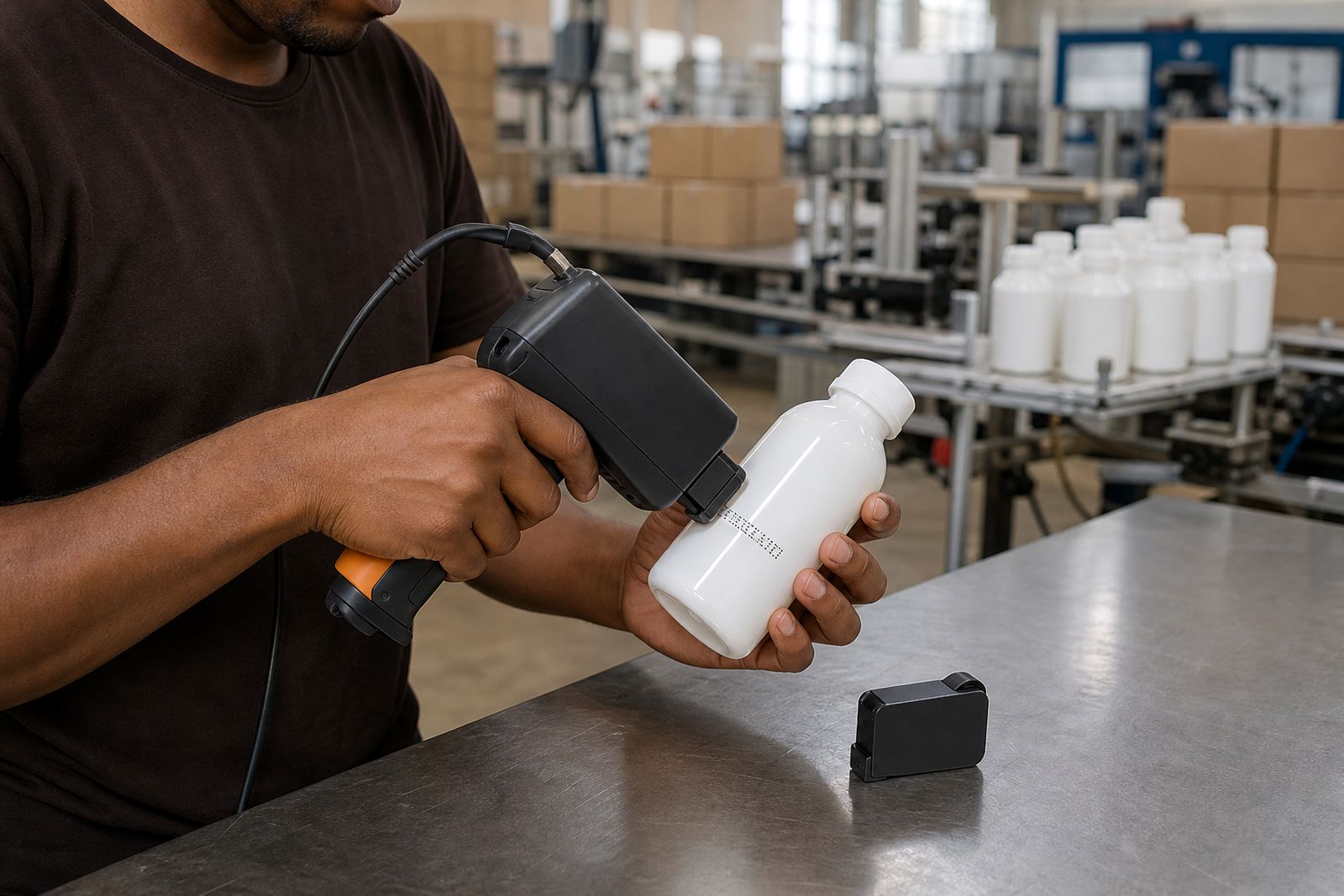
Quick-dry solvent cartridges are used where codes need to sit on non-porous surfaces such as plastic, film, metal and glass. We help match the cartridge to the material, the code height and the conditions on the packing line.
Built for smooth, non-porous stock
These cartridges are intended for handheld inkjet coders marking surfaces that do not absorb liquid ink. That includes shrink film, laminated pouches, rigid plastic tubs, bottles, coated labels, metal lids, aluminium foil facings and glass jars. The solvent base helps the code settle and hold on materials where a water-based cartridge would wipe, feather or take too long to set.
In day to day packing rooms around Durban and further inland, this matters most on lines where packs are handled soon after coding. A code on a bottle shoulder or pouch seal area must stay readable after stacking, taping or case packing. Quick-dry solvent cartridges are chosen for that kind of work, but the right fit still depends on the exact substrate and how glossy, dusty or cold the surface is.
- Best suited to plastics, film, metal and glass.
- Useful for batch codes, date marks, shift codes, barcodes and short text.
- Often selected where the pack is moved or packed shortly after coding.
- Not the first choice for absorbent cartons, plain paper or untreated timber.
Cartridge options and practical limits
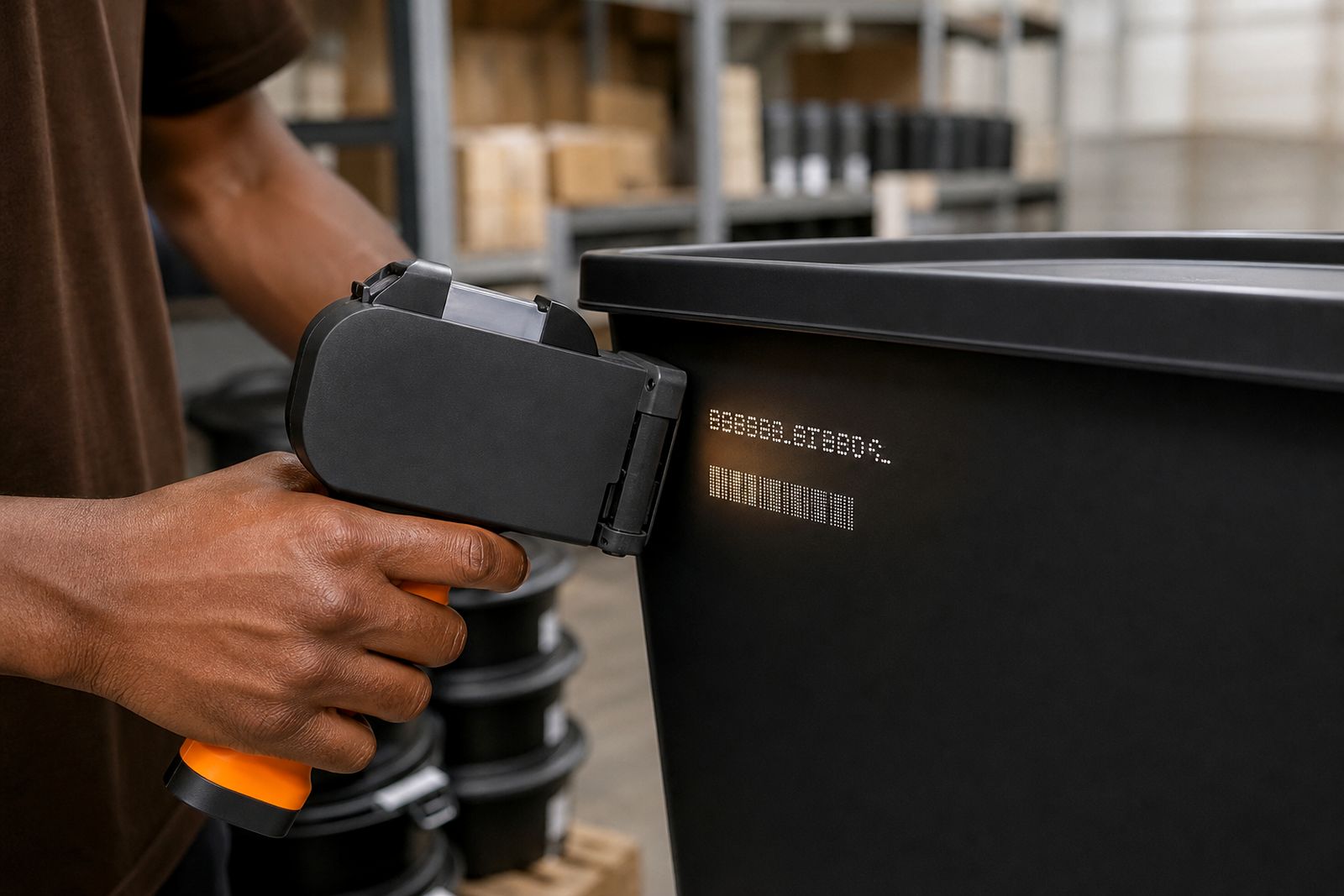
Quick-dry solvent cartridges are available in options for standard character printing and larger print where outer cases or broad faces need a bolder mark. We also supply white and other visible ink options for dark packs where black would disappear, although the final choice depends on the surface colour and the contrast needed by scanners or warehouse staff.
Every cartridge has working limits. A handheld coder can only print within the character height range and print resolution allowed by its cartridge format, and a very curved or heavily textured item can break up the code. Some glossy films accept ink nicely, while others with release coatings or waxy finishes need testing first. If the production area is humid, dusty or chilled, that can affect adhesion too and it is better to mention it up front.
- Standard coding for product packs and individual containers.
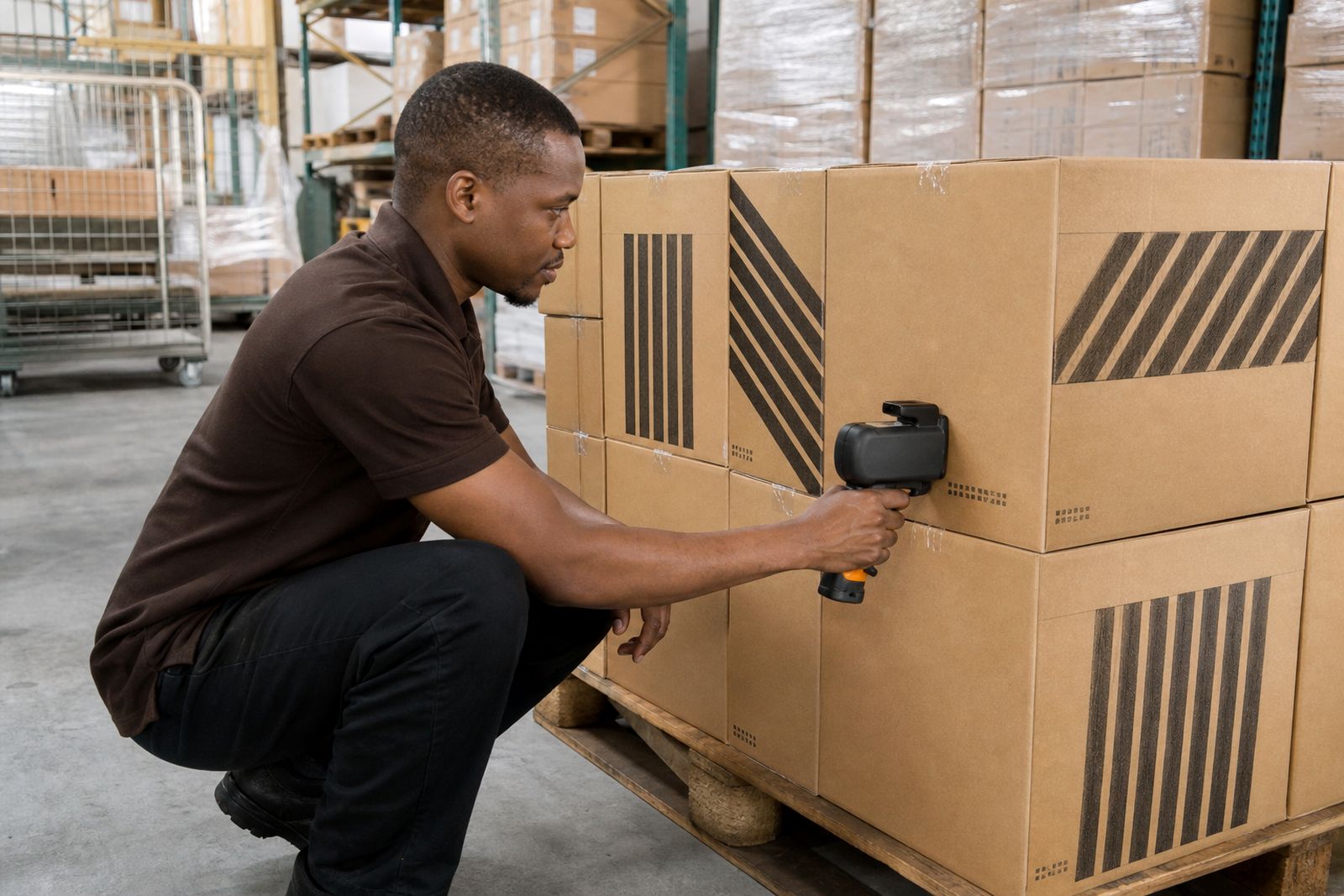
- Larger character options for shipping cases and broader mark areas.
- Dark, light and selected coloured ink choices depending on contrast needs.
- Surface finish, curvature and line handling can limit the result.
Where these cartridges earn their keep
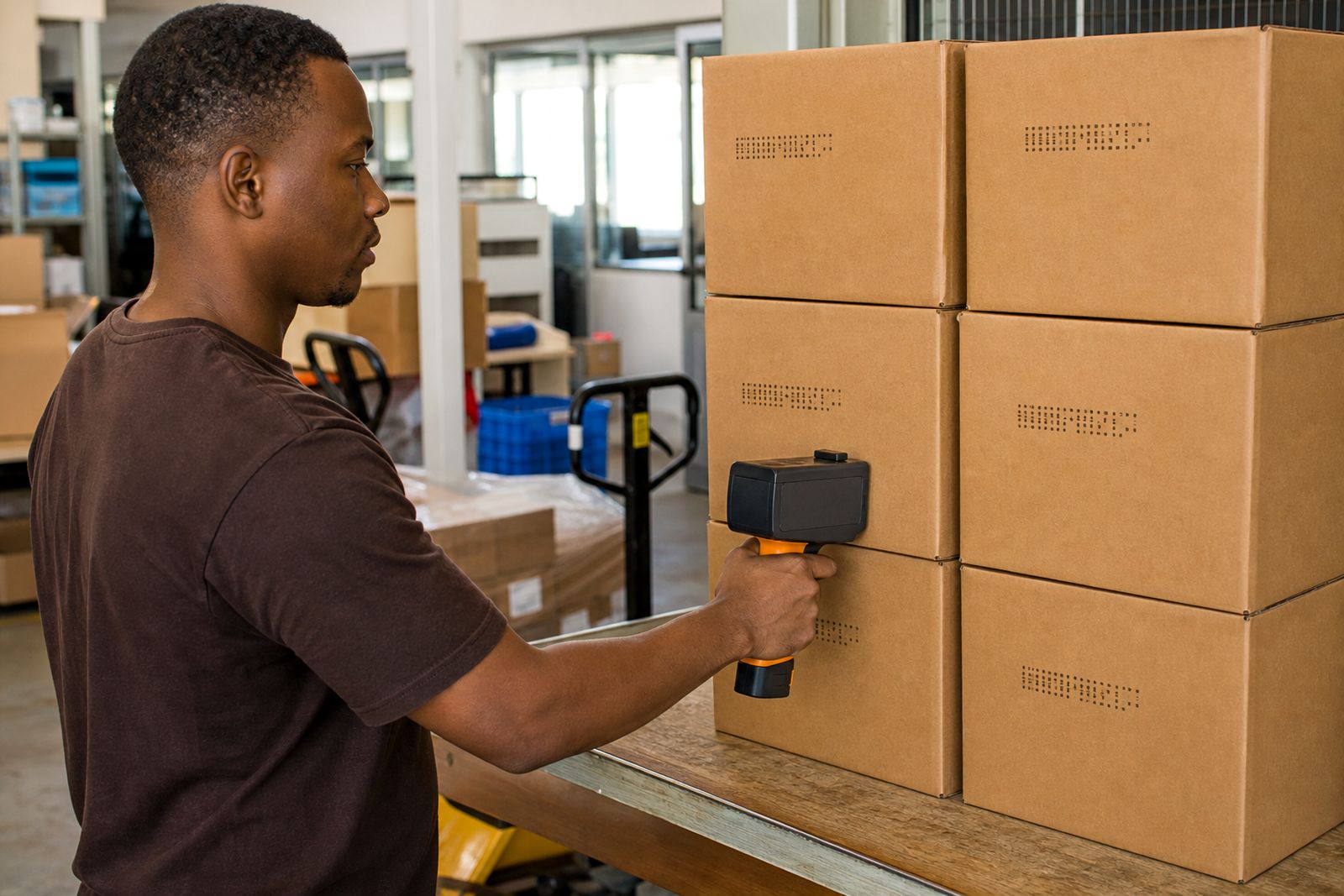
Most enquiries for solvent cartridges come from food and beverage packing, pharmaceutical secondary packing, cosmetics, chemicals and logistics. They are commonly used on bottles, jars, lids, sachets, pouches, shrink sleeves, drums, plastic crates and metal components. In warehouse work, a large character cartridge can be useful for carton identification where the outside board has a coated finish rather than a raw absorbent one.
There are also jobs where a solvent cartridge is not the neat answer. Brown cartons, paper labels with open fibres and unfinished wood usually suit water-based inks better. If the mark must go onto a heavily oily metal part, a frosted bottle with condensation or a film carrying a fresh anti-slip coating, the code may not hold as expected. We would rather match the cartridge to the real surface than force one type of ink onto everything.
- Good for pouches, bottles, cans, lids, foil-faced packs and coated cases.
- Useful where the code must remain clear after normal handling.
- Less suitable for absorbent stock such as plain cartons and paper.
- Testing is sensible on coated films, chilled containers and dusty items.
Fitting the cartridge and preparing the coding spot
These cartridges are installed in the handheld coder according to the machine layout, with the nozzle plate and contact points kept clean during changeover. The coding area on the product should be dry and reasonably clean before printing. Dust, loose powder, release agents and heavy condensation can all interfere with the mark. A tiny amount of contamination is often enough to turn a sharp code into a broken one.
On site there is no special plant requirement beyond a suitable coder that accepts the cartridge format, but operating habits make a difference. The printhead should pass evenly over the pack face, and the chosen message size must suit the available flat area. Trying to place a wide code across a seam, mould line or shoulder curve usually causes trouble, even with the correct ink. Small setup details save waste it is as plain as that.
Storage, nozzle care and line routine
Solvent cartridges need sensible storage and careful handling between shifts. Keep them sealed when not in use, store them in a clean area away from excessive heat, and avoid leaving a cartridge sitting open on a bench where the nozzle can dry out. If a line stands for a while, cap the cartridge properly rather than hoping it will print cleanly later.
For nozzle care, use the cleaning approach recommended for the cartridge and coder arrangement, and avoid wiping with random workshop cloths that shed fibres. If print starts looking faint, broken or smeared, the cause might be the nozzle face, the message settings, the travel speed or the surface itself. We can help narrow that down from the details you send through our contact form.
- Store sealed in a clean, moderate environment.
- Cap the cartridge during pauses and shift changes.
- Keep the nozzle face free of fibres, dust and dried ink.
- Check the actual pack surface if print quality changes suddenly.
Details that help us match the right cartridge
When you enquire, the most useful starting point is the exact material being coded and whether it is smooth, coated, glossy or textured. A photo of the pack and the intended print area helps a lot. We also need to know whether the mark is a date code, batch code, barcode, logo or a larger shipping mark, plus the approximate character height you need and whether the code must stand out on a dark background.
It also helps to mention your coder model, the province where the site is based, and whether the packs are handled straight after coding or left to settle before boxing. If the line runs near the coast around Durban where humidity can be a factor, or in a colder room where bottles sweat, say so. Those small details affect cartridge choice more than most buyers expect.
- Surface material and finish.
- Colour of the pack and required ink colour.
- Coder model and cartridge format used now.
- Code content, print height and barcode needs if any.
- Handling conditions after coding, including chilled or humid areas.
- Delivery town for courier planning.
Once we have that information, we can point you to a suitable quick-dry solvent cartridge or tell you if another ink type would make more sense.
What our Coding Ink customers say
Verified Google reviews
Questions we get asked
Can I use a quick-dry solvent cartridge on cartons?
On plain absorbent cartons and paper, a water-based cartridge is usually the better match. Solvent ink is mainly for non-porous surfaces, though coated outer cases sometimes need a solvent option.
Will the code stay on chilled bottles or glossy film?
It can, but the exact film or bottle finish matters. Condensation, release coatings and very slick surfaces can affect adhesion, so tell us the product type and conditions before ordering.
Do you sell the handheld coder as well?
No. We supply inks and cartridges for handheld inkjet coders, help with compatibility and cartridge care, and courier orders nationwide.
Also worth a look
Tell us about the job
Send sizes, materials and where you are through our contact form, and we will come back with the practical options.
Open the contact form