

Water-based cartridges
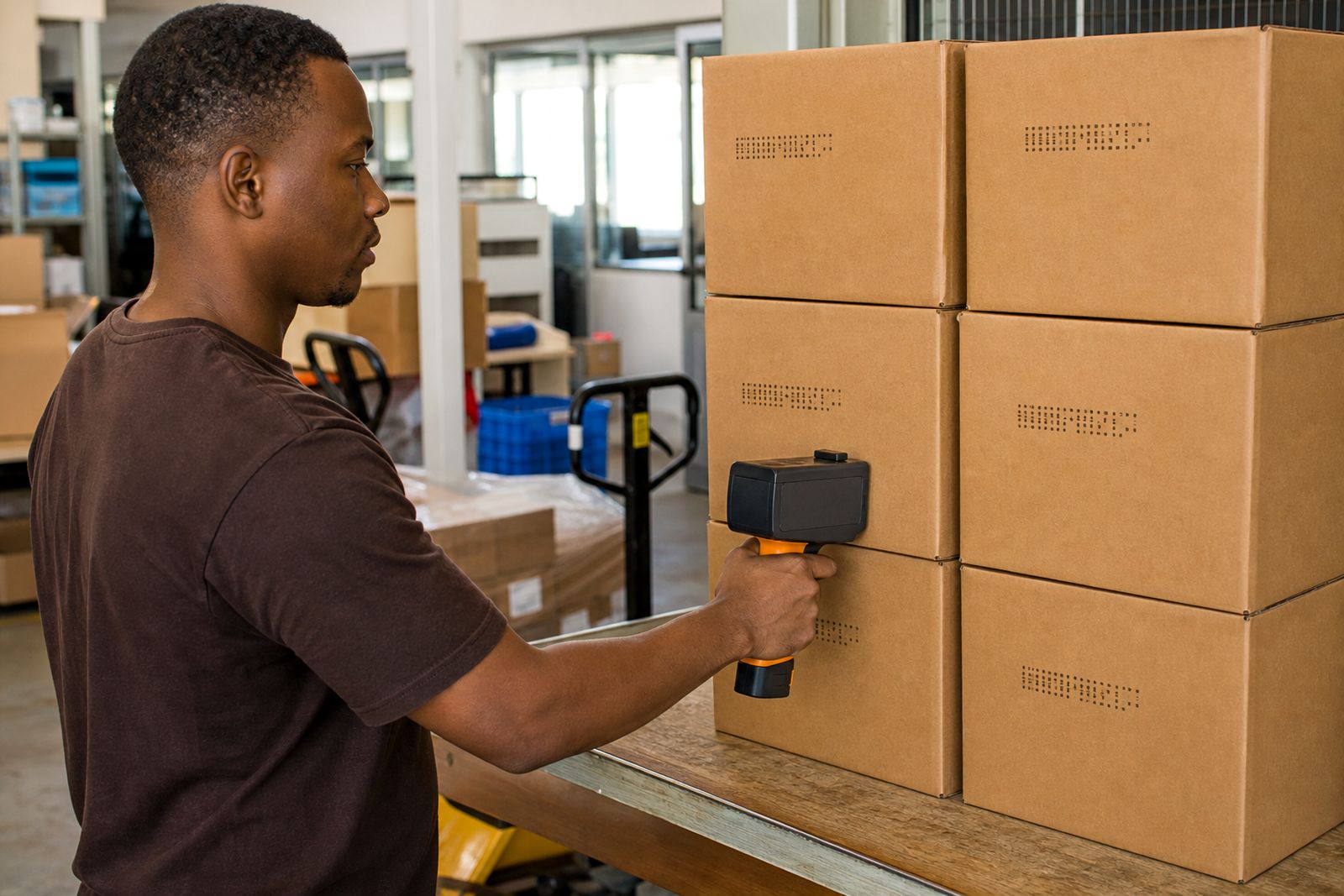
Water-based cartridges are used where the surface can absorb the ink slightly, giving a clean readable code without the harsh smell associated with solvent-heavy products. They are a practical fit for cartons, paper bags, labels, timber and other porous materials used in packing lines, stores and dispatch areas.
Built for absorbent surfaces
These cartridges are intended for handheld inkjet coders used on materials that take ink into the surface rather than leaving it sitting on top. On carton outers, kraft paper, uncoated labels and unfinished wood, water-based ink usually gives crisp text, simple graphics and barcodes with good contrast when the print height and message density are matched to the job.
They are commonly used in packing rooms, warehouse dispatch sections and small production areas around Pinetown and Durban, and we courier cartridges to factories and packhouses in every province. If your operation marks dry porous stock most of the day, this is usually the first ink family to check before looking at quick-dry solvent options.
- Best on porous materials such as cartons, paper bags, sleeves and timber.
- Useful for date codes, batch numbers, shift marks, item names and outer-case handling text.
- Often chosen where codes need to stay dark and readable on brown or white board.
- Available in standard black as well as selected colour options for certain marking needs.
Cartridge options and practical limits
Water-based cartridges are available in standard cartridge formats for handheld coders, with printhead and message capacity depending on the coder you use. Some setups are aimed at normal text heights for retail cartons and labels, while others are better for taller characters on shipping cases. We help match the cartridge type to the print engine in your coder, because the wrong fit can lead to poor detection, weak firing or a nozzle plate that does not seat properly.
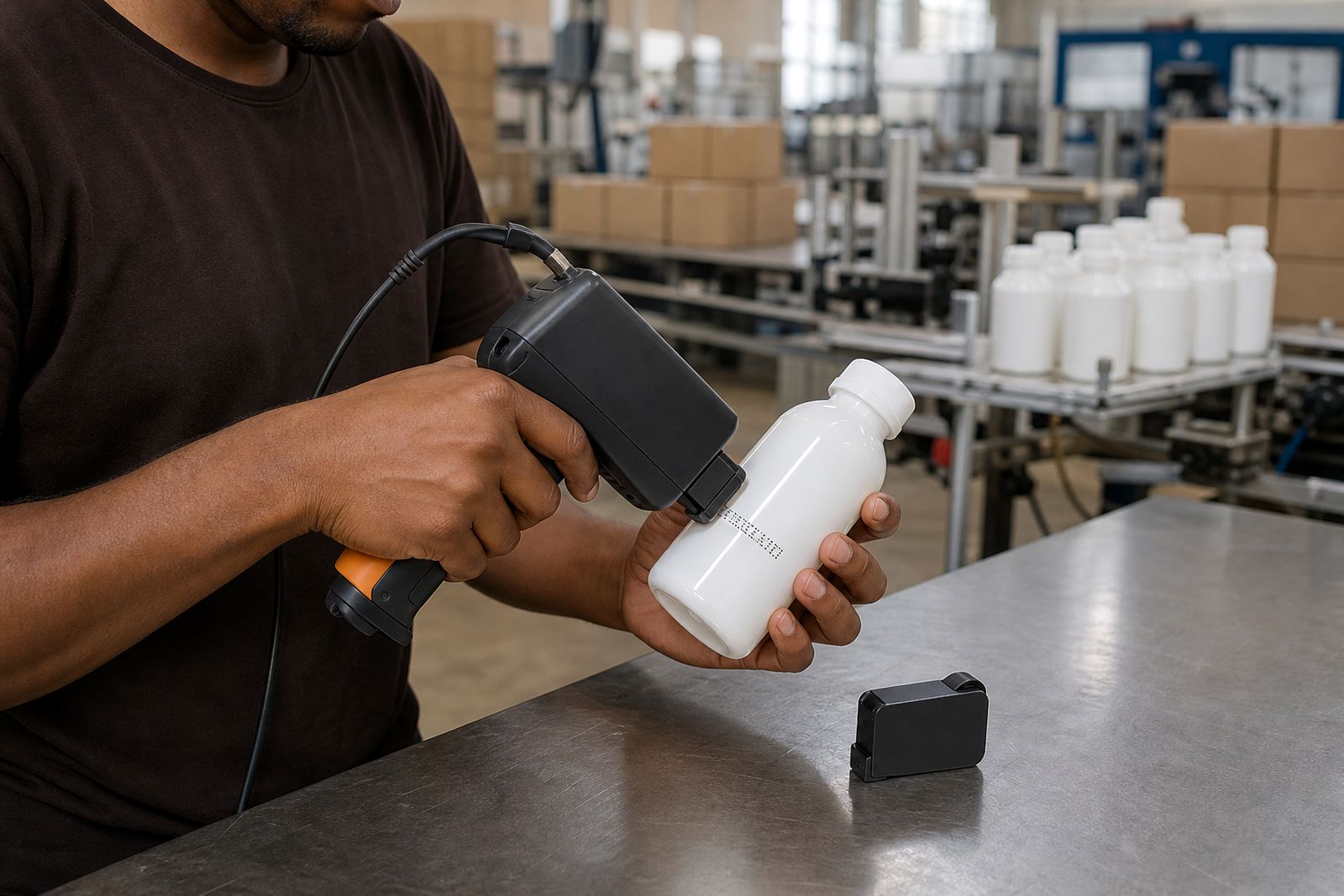
There are a few working limits to keep in mind. Water-based ink is not the right choice for glossy film, sealed plastic, glass or painted metal because the mark may wipe, smudge or fail to bond. It can also struggle on coated board with a heavy shine, or on damp stock pulled from a cold room into humid coastal air. On rough timber, the code can spread into the grain if the message is too fine.
- Standard text and simple logos print well on smooth cartons and paper.
- Very dense graphics may need larger character sizing to stay clean.
- Fine barcode work depends on board quality, absorbency and line speed by hand.
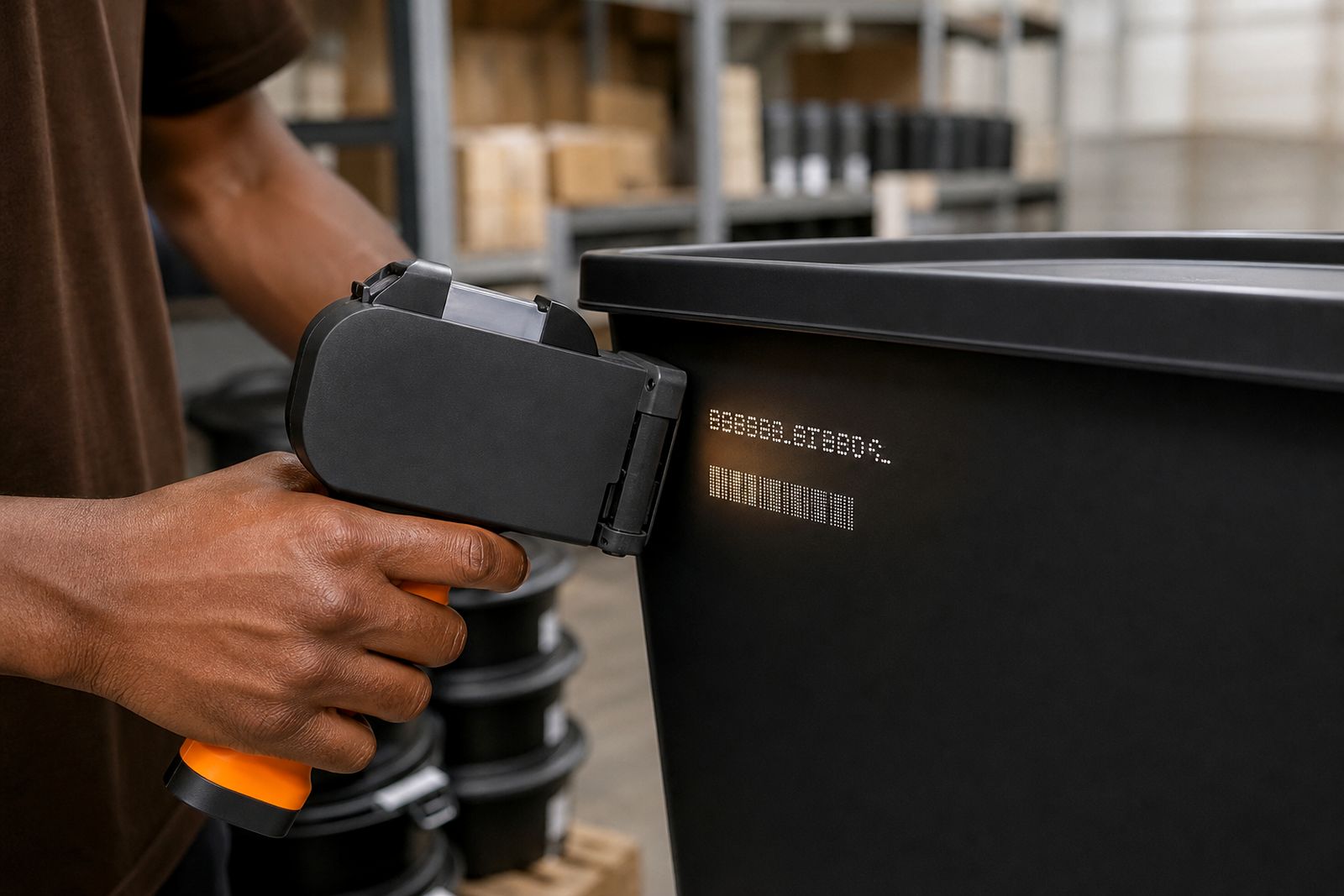
- Darker porous surfaces may need a different ink colour for contrast.
Where they fit on the floor, and where they do not
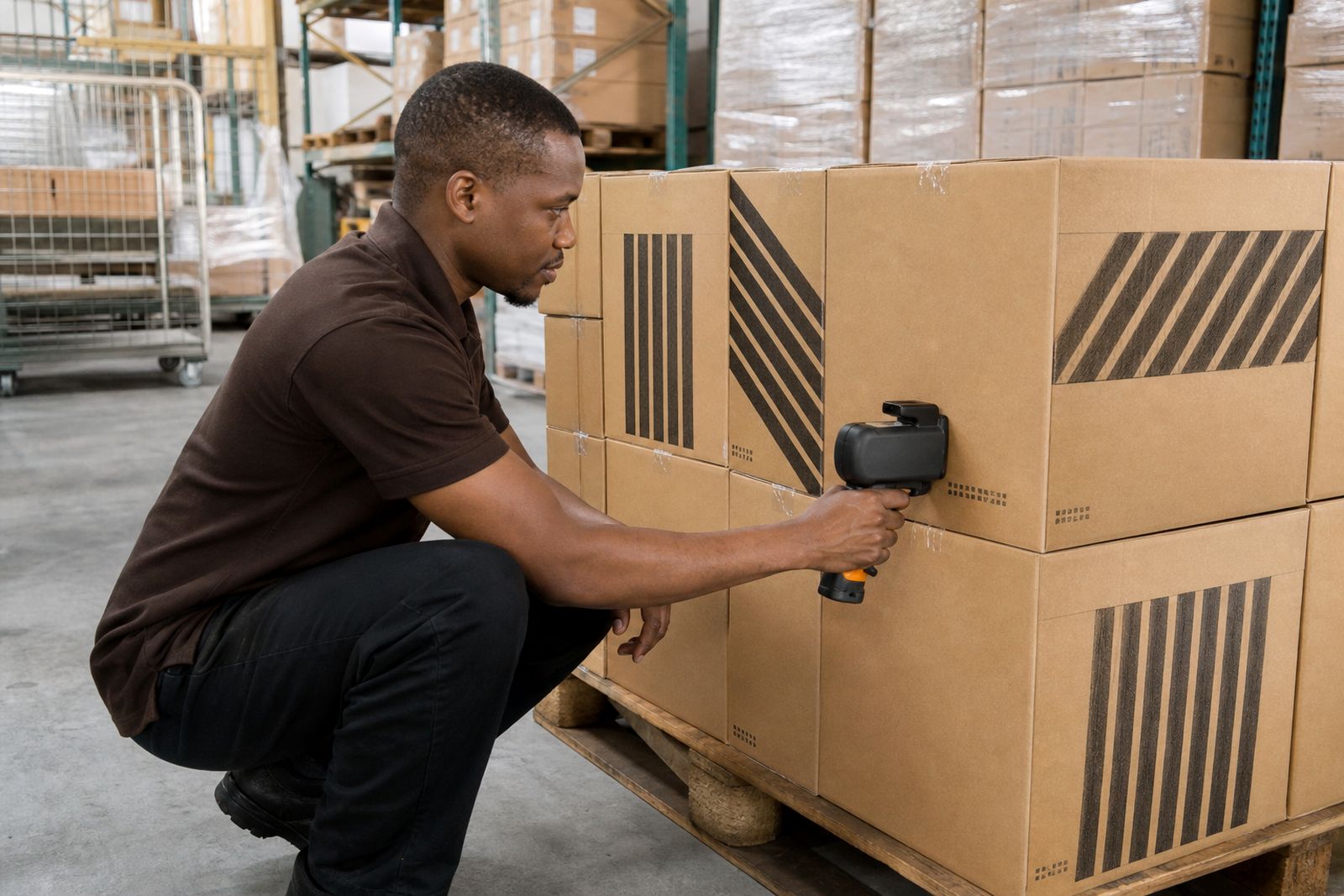
For many sites, water-based cartridges are used at the point where cartons are closed, bags are checked off, or timber pieces are marked before dispatch. They suit low to medium coding volumes where an operator carries the handheld coder to the product, rather than moving every pack past a fixed head. If your team prints batch details onto corrugated cases or stock information onto paper sacks, this route keeps the marking process straightforward.
They do not suit slick non-porous surfaces. Plastic tubs, shrink film, foil laminates, varnished labels, glass jars and bare metal usually need a quick-dry solvent cartridge instead. We also do not suggest them for surfaces exposed to frequent rubbing while the ink is still settling into the material. In a very dusty area nozzle care matters more than people expect and teh print can fade if lint builds up on the head face.
Using the cartridge well on site
A good result depends on both the cartridge and the way the coder is handled. The surface should be dry, reasonably clean and free of loose dust. Operators need a steady pass across the pack so the message does not stretch or compress. On cartons with deep corrugation lines or folded seams, it helps to choose a print area with less surface variation.
Because this range is used on handheld units, there is no fixed installation requirement from our side. What matters is the coding environment. Very humid Durban conditions can affect board feel and absorbency, while open warehouse doors can introduce dust onto the printhead. If stock is stored in a hot dispatch bay, cartridge condition can also drift before use.
- Keep the print area dry and free of loose powder or carton fluff.
- Test on the real substrate, not only on a sample from another batch.
- Use sensible character height and spacing for rougher board.
- Close and store cartridges correctly when they are not in the coder.
Storage, handling and nozzle care
Water-based ink needs sensible storage and regular basic care. Keep cartridges sealed until needed and store them in a stable indoor area away from direct heat. Once fitted, the nozzle plate should be kept clean so the jets do not misfire. A dry crust on the head face can lead to missing lines, weak edges or a code that looks patchy across the carton.
For day-to-day care, wipe the nozzle area gently with the correct lint-free material recommended for coding consumables, and avoid rough cloths that can scratch the plate. Do not leave the cartridge exposed on a bench for long periods between runs. If printing becomes faint or broken, check the substrate first, then the print settings, then the cartridge condition. Our support pages cover more on faded or smudged codes and general cartridge storage.
What to send when you enquire
To point you to the right water-based cartridge, we need a clear picture of the surface and the code you want to place on it. A plain message through our contact form works well if it includes the substrate, colour, coding size and the type of handheld coder already on site. If the stock changes between batches, mention that too, because absorbency differences can change the result more than people think.
If you are not sure whether the surface is porous enough, tell us whether it is plain carton, coated board, kraft paper, a paper label or raw wood. That helps us steer you away from the wrong ink family before you buy cartridges that are not suited to the job.
- The exact material being coded, such as corrugated carton, paper bag or timber.
- Whether the surface is plain, coated, glossy, dusty or slightly textured.
- The code content, including text size, barcode use or large outer-case marks.
- The cartridge or coder details shown on your current unit or consumable.
- Whether the stock is light, dark or printed with background colour already present.
What our Coding Ink customers say
Verified Google reviews
Questions we get asked
Can I use a water-based cartridge on plastic packaging?
Usually no. Plastic, film and other slick surfaces normally need quick-dry solvent ink so the code can bond properly instead of wiping off.
Will it print clearly on brown cartons?
In many cases yes. Brown corrugated cartons are one of the common uses, provided the board is dry and not heavily coated or dusty.
How do I know if my coder is compatible?
Send the cartridge details or coder information through our contact form and we will help you match the consumable to the print system already in use.
Also worth a look
Tell us about the job
Send sizes, materials and where you are through our contact form, and we will come back with the practical options.
Open the contact form