

Coding guides
These guides help you get cleaner, more durable codes from handheld inkjet cartridges on everyday production surfaces. Use them to narrow down ink type, spot common marking faults, and handle cartridges properly between runs.
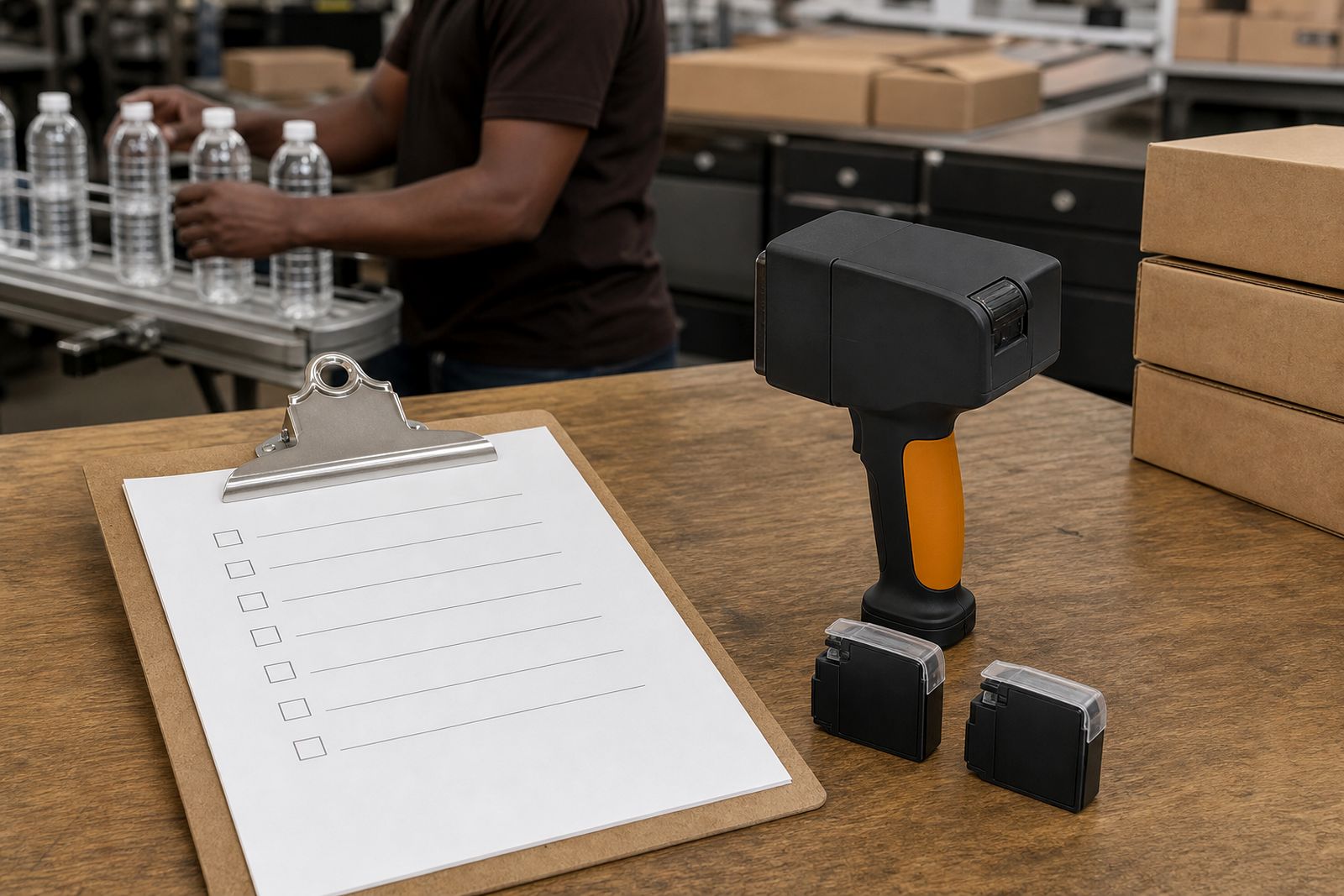
Start with the surface, not the cartridge
The quickest way to avoid smudging, poor adhesion or faded marks is to begin with the material being coded. Cartons, uncoated paper and timber usually need a different ink approach from shrink film, plastic tubs, metal lids or glass bottles. A cartridge that gives a neat batch code on a dry carton may struggle badly on glossy film, and that catches many buyers out.
Our guides in this section are arranged around the real choices production teams make on site. If the line handles mixed packaging, read by surface first and then compare that with your coding area, storage conditions and the type of text or date mark being applied. In Durban humidity and coastal handling conditions can change results a bit, especially where wrapped stock moves from a cool store to a warmer dispatch area.
- Absorbent surfaces such as cartons and paper often suit water-based inks.
- Non-absorbent surfaces such as plastics, film, metal and glass often need quick-dry solvent ink.
- Dark packaging may need white or coloured ink for legibility.
- Outer cases and larger shipping marks may need a large-character cartridge.
A practical split between the main ink types
Not every coding problem is a machine problem. Very often the cartridge type simply does not match the pack material. This section helps you separate the common ink families and use each one where it makes sense on a factory floor.
- Water-based cartridges are generally used on porous materials where ink can key into the surface, such as cartons, labels, paper sleeves and some wood.
- Quick-dry solvent cartridges are generally used on smooth non-porous materials where ordinary ink would wipe off, such as plastic pouches, laminated film, coated board, metal cans and glass.
- White and coloured inks are useful where black text disappears into a dark substrate or where operators need a stronger visual contrast on moving packs.
- Large-character cartridges are used where the message must be read from farther back on outers, transit cases or warehouse stock.
If your code needs to survive handling, stacking and courier movement, the guide on choosing ink for your surface is the right place to start. It sets out where one ink family usually works better than another without making the process sound more complicated than it is.
When the code looks wrong, read the mark itself
A weak print often tells you what has gone wrong if you look at the shape of the mark instead of only the darkness. Feathering on carton points to one issue, while streaking on film points to another. Faded text can be linked to cartridge condition, nozzle contamination, the wrong stand-off distance, or a surface that carries dust, condensation or release residue.
The guide on fixing faded or smudged codes focuses on the print result you can actually see. That is useful on busy packlines where the operator needs a direct route to the likely cause. Sometimes a simple nozzle wipe sorts it out, but some jobs need the cartridge changed to suit the substrate better.
- Smudged codes on glossy packs often suggest poor ink-to-surface matching.
- Broken characters can point to nozzle blockage or poor cartridge handling.
- Pale prints may suggest drying at the nozzle face during stoppages.
- Uneven marks can come from rough surfaces or inconsistent coding height.
Storage and nozzle care matter more than most teams expect
Cartridges are consumables, but they are not throwaway items that can be left anywhere on a line. Heat, direct sun, dusty shelves and loose handling all shorten useful cartridge life and can affect print quality before the next shift starts. The storage guide in this section covers the basics plainly, including how to cap and store cartridges between runs and why clean handling matters.
In many warehouses the coding station sits close to roller doors, dispatch lanes or packaging stores. That means temperature swings, dust and moisture can all play a part. A cartridge taken from poor storage to a clean coding job may still give a weak result, even if the coder itself is fine. Small habits make a real difference here, and they cost very little to fix.
How to use this guides section with mixed packaging lines
Many South African packers do not run one surface all day. A morning shift may code corrugated outers, then move to plastic flow-wrap or labelled bottles after lunch. For that kind of operation, the best route through these guides is usually by job type rather than by product name.
- Running cartons, sleeves or paper labels: start with the porous-surface guide.
- Running pouches, bottles or shrink film: move to the plastics and film guide.
- Running tins, caps, jars or metal sections: read the metal and glass guide.
- Seeing weak adhesion or poor contrast: compare the fault guide with the ink-selection guide.
- Holding spare cartridges on site: read the storage guide before placing an order.
If you are unsure which cartridge format suits your current coder and substrate combination, send the details through our contact form with the material type and the kind of mark you need. A short note on whether the surface is porous, glossy, dark, coated or handled while still cold helps a lot.
For factories, packhouses and warehouse marking
These guides are written for ordinary production conditions, not lab conditions. That includes dispatch labels on cases, date coding on wrapped goods, batch marks on bottles, and identification marks on cartons moving through stores and loading areas. Food and medical packaging calls for sensible ink selection and clean handling, but every site still needs to assess its own marking method and internal requirements.
From Pinetown we courier cartridges to operations in every province, and the questions tend to repeat: will this code stay readable after handling, will it mark on a darker pack, and what should be kept on hand for stoppages? The pages in this section deal with those practical points in a straight line. Read them as working notes for the floor, not sales talk.
Explore the range
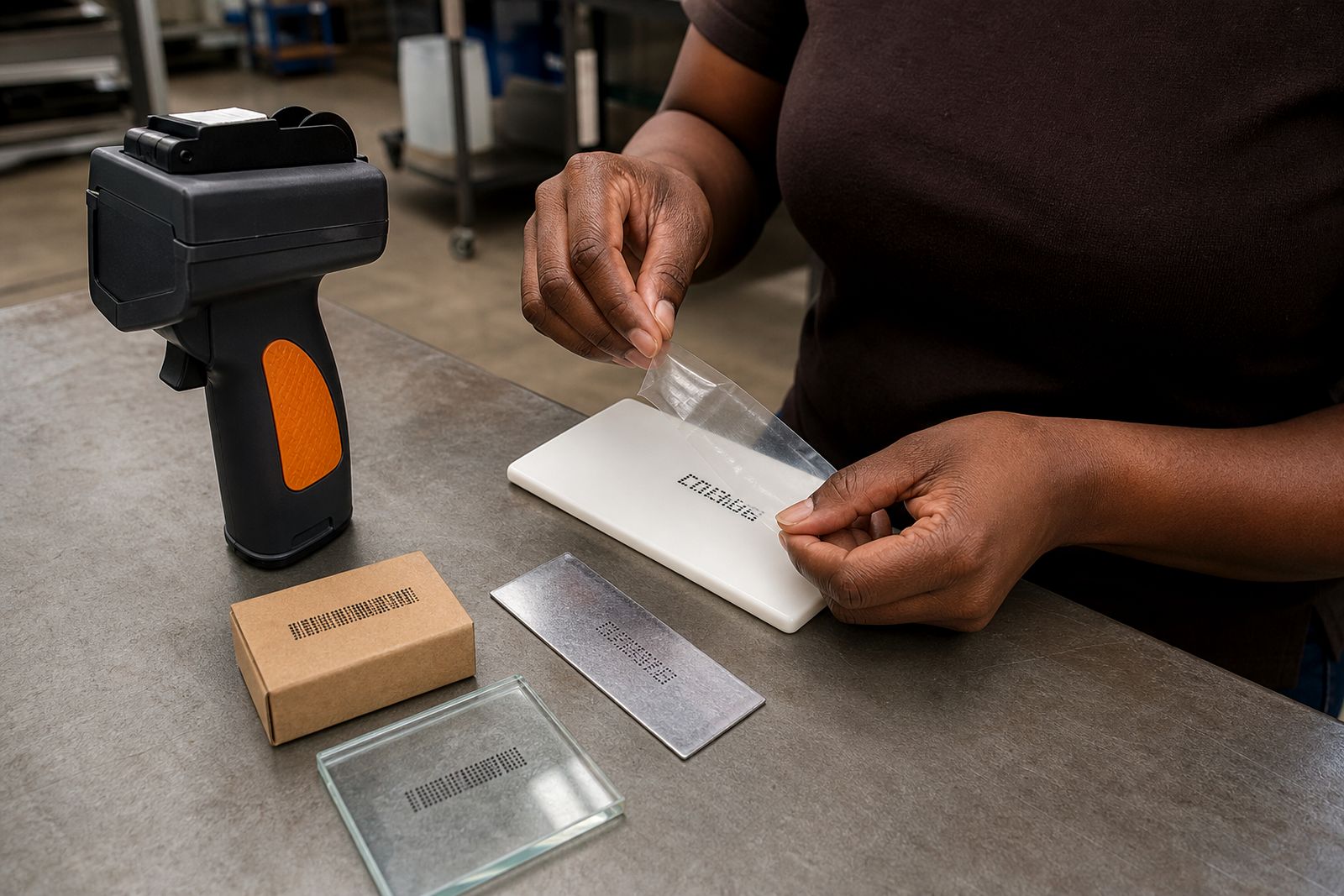
Choosing ink for your surface
A practical surface-by-surface guide for choosing the right cartridge for handheld coding work.
Read more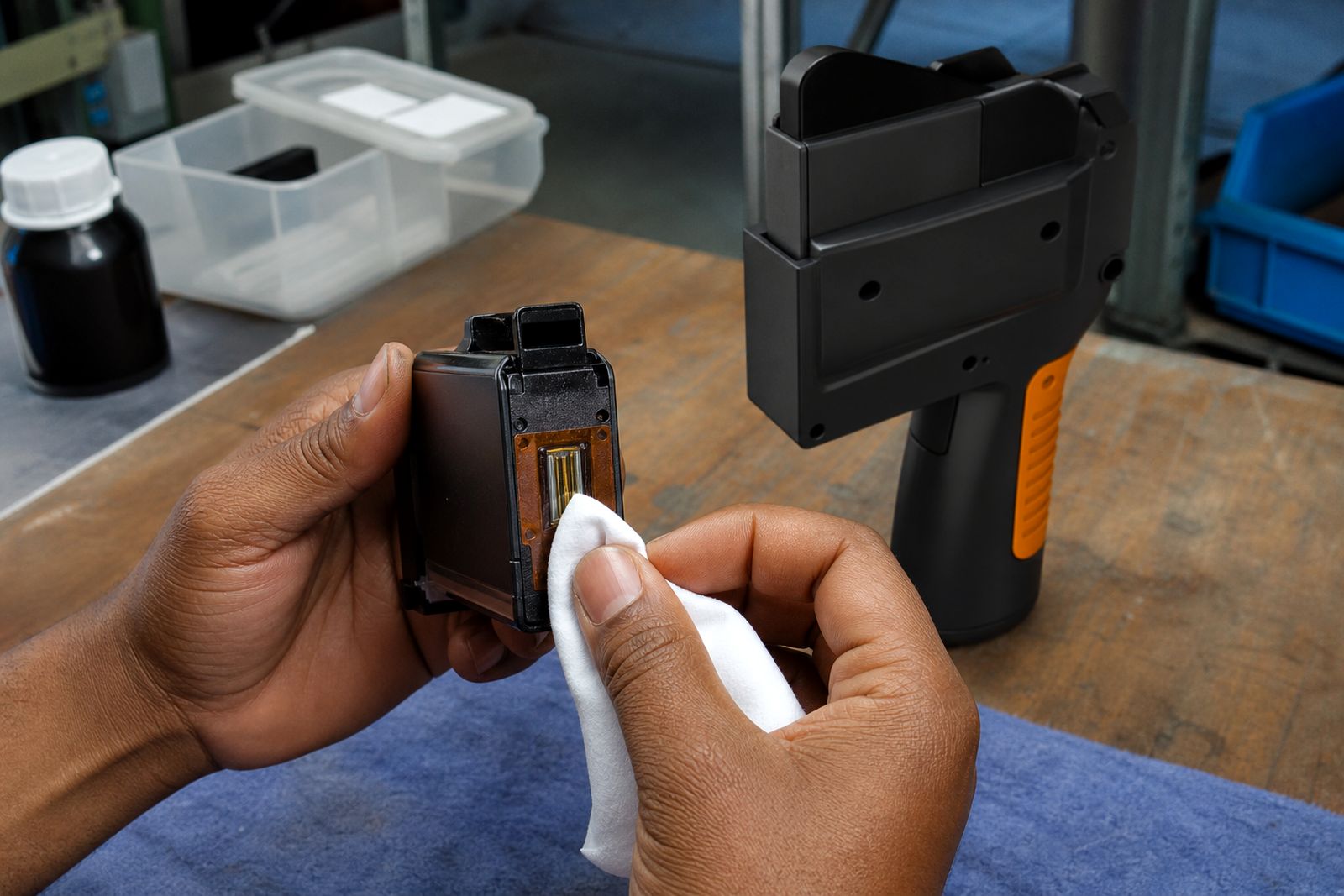
Fixing faded or smudged codes
A practical fault-finding guide for weak, smeared or patchy handheld inkjet codes on cartons, film, metal and glass.
Read more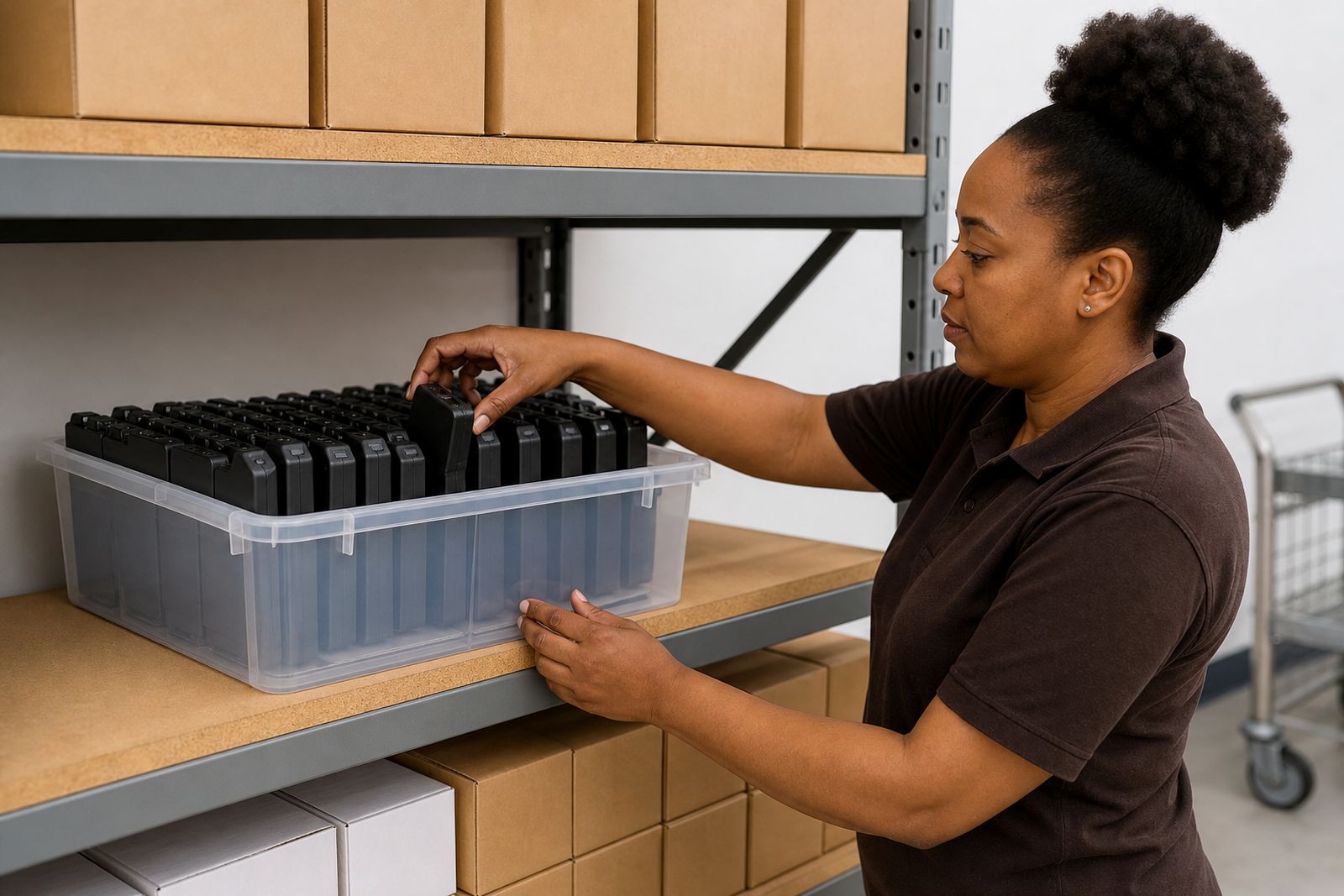
Storing ink cartridges
Keep cartridges cleaner and more consistent with sensible storage, sealing and handling for South African factory conditions.
Read moreWhat our Coding Ink customers say
Verified Google reviews
Questions we get asked
Which guide should I read first if I do not know which ink I need?
Start with the guide on choosing ink for your surface. Surface type usually decides the cartridge family more accurately than the product being packed.
Do these guides cover coder repairs or machine servicing?
No. This section focuses on cartridge choice, print results, storage and common coding issues linked to ink and surface conditions.
Can I use one cartridge type on cartons and plastic film?
Sometimes, but it is often not the best route. Porous and non-porous materials usually need different ink behaviour for a cleaner lasting code.
Tell us about the job
Send sizes, materials and where you are through our contact form, and we will come back with the practical options.
Open the contact form